I used to think mindfulness was something you bought. A subscription, a retreat, a very expensive candle. Then I killed a basil plant in about nine days and realized I had been practicing all along, just badly. This post is about the plant that made mindfulness and manifestation stop feeling like buzzwords and start feeling like something I could actually do on a Tuesday night.
If you have ever opened a meditation app, stared at the timer, and immediately started thinking about your grocery list, you already know the problem. The practice is supposed to quiet the noise. Instead it gives the noise a stage. Growing something does the opposite. It gives you a small, living, slightly demanding thing to pay attention to, and the attention comes easier than it would if you were just sitting there trying to breathe on command.
If you want to live a happy life, tie it to a goal, not to people or things.
Albert Einstein
I keep that quote where I can see it because it is a useful corrective to how most of us do manifestation. We tie our hopes to the thing we want, and then we wait. The plant does not let you wait. It needs water today. It needs light this week. It needs you to notice that one leaf is turning yellow before the whole thing gives up. That is the whole trick: the goal stops being a wish and becomes a small daily decision.
Why growing a plant works when meditation apps don’t
Meditation asks you to notice your thoughts without judging them. That is genuinely hard, and for a lot of people it is boring in a way that makes them quit. A plant asks you to notice something outside your own head. Is the soil dry? Are the leaves drooping? Did the cat knock it over again? The noticing is concrete, it has a reward, and it does not require you to sit still for twenty minutes.
There is a surprising detail in the research on this. A 2022 study in the journal PLOS ONE found that people who took care of plants for a month reported lower stress and anxiety than people who did a comparable computer-based relaxation task. The plant group also did better on a task that measured sustained attention. In other words, the thing that looks like a hobby was doing the work of a mindfulness practice, and the people doing it did not have to call it that.
The other thing the plant gives you is a natural rhythm. You water it, you wait, you check. That loop is the same loop manifestation is supposed to run on: set an intention, take a small action, notice what comes back. The difference is that a plant gives you feedback you cannot argue with. You cannot manifest a healthy plant by believing in it. You can only water it.
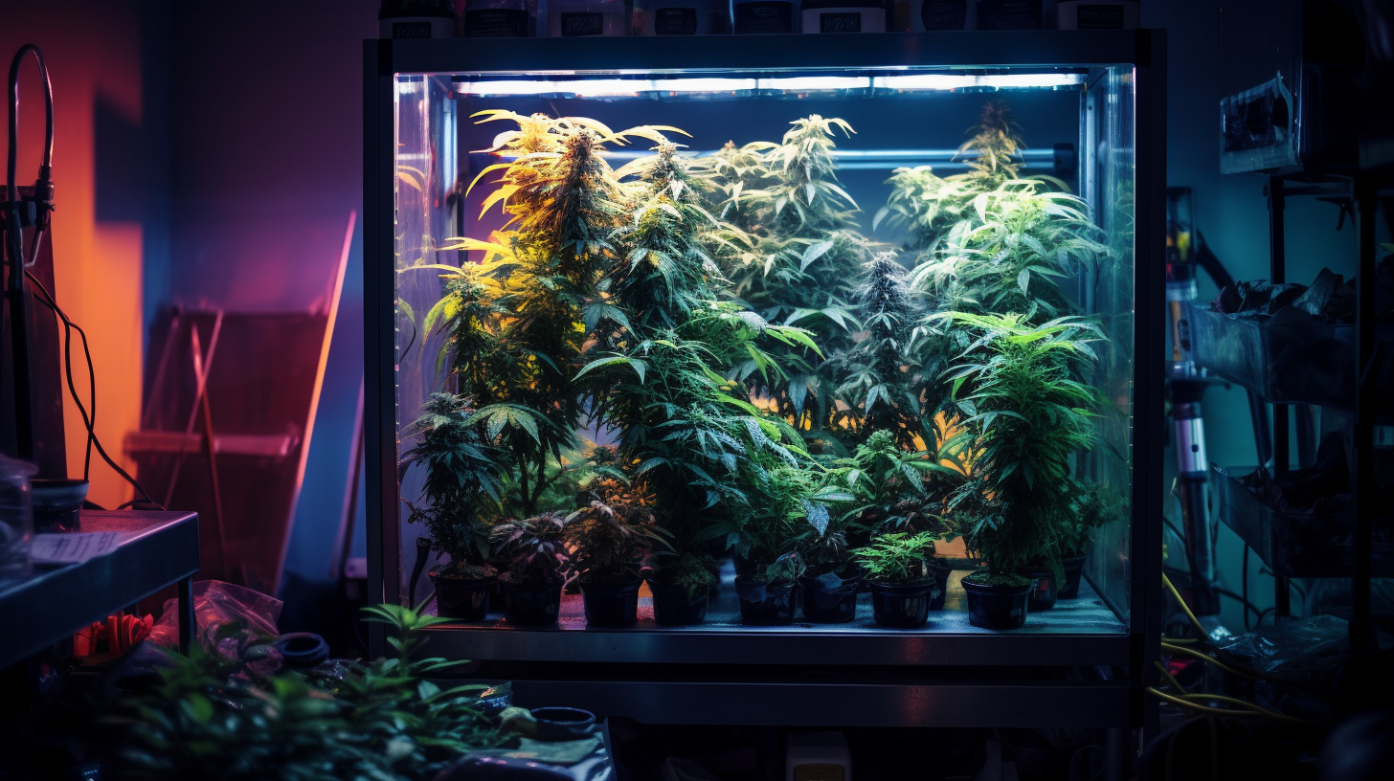
This is where the cannabis connection gets interesting, at least for me. A lot of people I know treat their first grow the way they treat their first meditation retreat: with too much intensity and not enough patience. They buy the gear, they read the forums, they check the tent every hour. The plant does not need any of that. It needs the basics done consistently, and it needs you to leave it alone long enough to do its thing. If you are curious about what that actually looks like strain by strain, our guide to finding the right strain for you is a good place to start without getting lost in the hype.
Meditation supplement or just a plant?
The wellness aisle would like you to believe the answer is a capsule. It usually is not. The things that reliably help people feel calmer tend to be unglamorous: sleep, movement, daylight, and having something small to take care of. A plant checks the last box and makes the first three easier, because you end up near a window and on your feet more than you were before.
If you are going to try it, start with something forgiving. A pothos, a snake plant, a mint cutting in a glass of water. The point is not to become a gardener. The point is to have one living thing that responds to your attention, so you can feel the difference between doing something and thinking about doing something. That difference is the whole practice.
Pick a plant that survives neglect, not one that needs a schedule
Water it when it is dry, not when you are anxious
Notice one change a day, even if the change is nothing
Keep the goal small enough to do today
How to actually use a plant as a mindfulness practice
Set a two-minute timer. Go look at the plant. Do not check your phone. Do not decide whether you are doing it right. Just look, and then do the one small thing it needs if it needs anything. That is it. Do that for a week and you will have a mindfulness habit that does not feel like homework, plus a plant that is still alive. That is more than most people get from a meditation app in a month.
Small living things, small daily attention
The plant I almost killed was a mint cutting. It is now the toughest thing on my windowsill, and it is the reason I stopped treating mindfulness as a personality trait and started treating it as a habit. If you are looking for a way to make the practice stick, especially if you are also curious about how cannabis fits into your own routines, our piece on choosing the right strain for what you actually want to do follows the same idea: fit over intensity, and small decisions over big resolutions.
Start with one plant. Water it when it is dry. Notice what changes. That is the secret, and it is not really a secret at all.
What’s good, world? I’m Blaze Green, your go-to guy for everything cannabis, culture, and adrenaline. A California native with a love for the green life and the great outdoors, I’ve spent years blending my passions for cannabis, high-octane adventure, and global travel into one epic lifestyle.












Leave a Comment